Microsoft AI chief says it’s ‘dangerous’ to study AI consciousness
TechCrunch
Essay on his personal blog, "We must build AI for people; not to be a person"
“This is both premature, and frankly dangerous. All of this will exacerbate delusions, create yet more dependence-related problems, prey on our psychological vulnerabilities, introduce new dimensions of polarization, complicate existing struggles for rights, and create a huge new category error for society.”
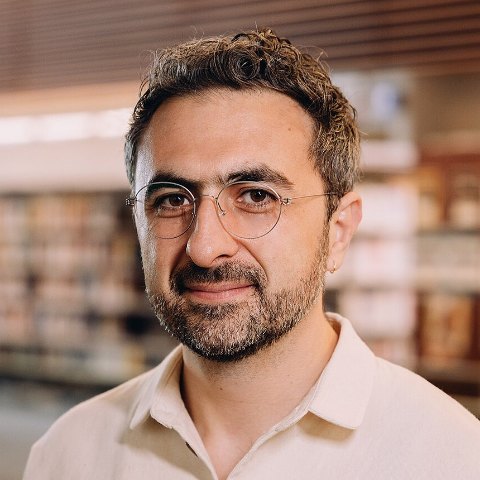 Mustafa Suleyman19 August 2025
- What you'll lose0/5
Nothing taken.
- Condescension3/5
AI welfare research: 'frankly dangerous'.
- Tone-deafness2/5
A lecture to the field.
- Doom2/5
Delusion, dependence and polarization, forecast.
- Hypocrisy3/5
Sixteen months after calling AI 'a new digital species'.
Full time10 pitchforksof a possible 25
Think the referee got a count wrong?
Call received. VAR is having a look: the referee reviews every call, and the score stands until then.
The occasion
Essay on his personal blog, "We must build AI for people; not to be a person", 19 August 2025.
Context
In an essay on "seemingly conscious AI", Suleyman argued that treating AI models as possible welfare subjects will fuel delusion, dependence and a new axis of polarization, and said "SCAI is something to avoid". TechCrunch (2025-08-21) says he published it "on Tuesday", which is 2025-08-19. The "premature, and frankly dangerous" sentence is about the AI-welfare research agenda (claims that some AI systems will be "welfare subjects and moral patients").
Crowd reaction
Critical commentary
TechCrunch wrote that "Suleyman's views may sound reasonable, but he's at odds with many in the industry" and quoted the communications lead of the AI-welfare group Eleos saying his post "misses the mark" and "neglects the fact that you can be worried about multiple things at the same time". Mild, from a niche group; no mass backlash found.